
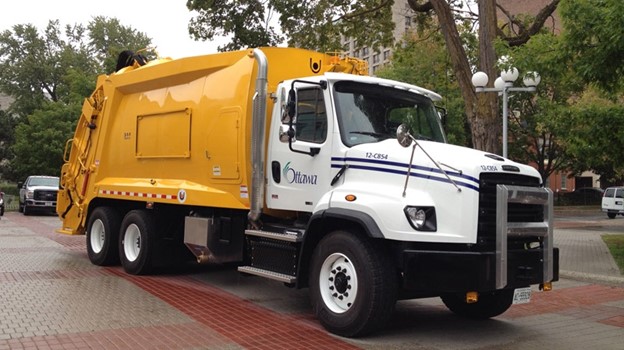
Incineration FAQ
Waste Watch Ottawa is committed to a zero waste future but the reality is that while we transition to a circular economy, where materials and products are repurposed and not disposed of, that there will always be some residual waste which is left after all reduction, diversion from disposal, recycling and composting options are exhausted.
As part of its ongoing Solid Waste Master Plan (SWMP), the City is proposing to continue an investigation of three options for the management of waste that is left after reduction, diversion from disposal, recycling or composting:
- Maintaining the Trail Road facility as a landfill, expanding it within its approved boundaries, and using available private landfill facilities in the region.
- An incineration facility which would generate and sell power.
- A new landfill.
Data provided by the City and its primary consultant, HDR, shows that with the likely approval from the Province to accept more waste at Trail Road, that the life expectancy and capacity of the site could be extended for 30 years until around 2055.
Despite this, incineration is being promoted by some advocates as an efficient, environmentally friendly alternative to landfilling and as the best way to manage the City’s residual waste.
Incineration however, comes with very high capital and facility operating costs which are higher than a comparable landfill, and with significant concerns regarding issues such as GHG emissions, exposure to air pollutants such as dioxins, risks of potential negative health impacts and the management of the 30% of the burned waste that ends up as hazardous waste requiring special treatment and disposal.
To address the numerous false and misleading claims for the benefits of waste incineration and to answer other general questions on incineration, the following list of Frequently Asked Questions has been prepared to help inform the debate and decisions the City will need to make on how to manage residual waste in the coming decades.
Frequently Asked Questions
Incinerators, Greenhouse Gases and Energy Efficiency
What is Waste to Energy (WTE)?
There are different technologies on the market, but the most common one in Canada (3 out of 5 facilities, including Ontario’s Durham York facility) is conventional mass burn. It burns waste, which produces steam, which powers turbines, which generate electricity.
Waste-to-energy (WTE) incineration is a process that involves burning solid waste at high temperatures to reduce its volume and generate energy, typically in the form of electricity or heat.
Why are we calling it incineration and not WTE?
Using the term “waste-to-energy” can mislead the public or policymakers into believing the practice is inherently green or renewable.
“Waste-to-energy” suggests a positive outcome—creating energy from waste—and obscures the environmental and health concerns associated with incineration, such as air pollution, downwind contamination, toxic ash, and the discouragement of waste reduction and recycling efforts.
Do incinerators contribute to climate change by producing greenhouse gases?
Yes.
Both incinerators and landfills are sources of greenhouse gas emissions.
The International Panel on Climate Change (IPCC) estimates that every tonne of waste incinerated releases between 0.7 and 1.2 tonnes of carbon dioxide equivalent emissions (CO2e). Data from the Durham York incinerator shows that 1 tonne of municipal waste burned produced 1.24 tonnes of CO2e in 2021 (174,544 tonnes of CO2e from 140,103 tonnes of waste received).
Are incinerators an efficient way to produce energy?
No.
Due to the low calorific value of waste, which can contain a wide variety of burnable and non-burnable materials, incinerators are only able to generate small amounts of energy while destroying large amounts of reusable materials.
Incinerators generate electricity at very low efficiency rates of 19–27% while modern incinerators can achieve efficiencies of 20-30%. The efficiency of an incinerator for power generation is lower than a large coal or gas fired power station. Typically, a coal fired power station will have an efficiency of 33% to 38%.
What is the carbon intensity of waste incineration compared to other sources of power generation?
Incineration of municipal solid waste has a very high carbon intensity, which is comparable to coal burning and higher than burning natural gas.
Average carbon dioxide equivalent emissions produced per kilowatt hour (CO2e/kWh) in 2023:
- Coal 730
- Incineration 720
- Gas 400
- Solar 40
- Nuclear 12
- Wind 11
What are the impacts of burning plastics in incinerators?
Plastics are mostly made of carbon, and usually produced from fossil fuels, so burning plastics contributes significantly to the carbon intensity of incineration. As the proportion of plastic packaging and other plastics delivered to an incinerator increases, the greenhouse gases produced will likely increase as well.
What effect does incineration have on the production of new primary materials, including plastics?
The petro-chemical industry and organizations such as the American Chemistry Council, are promoting incineration, especially “chemical recycling” instead of supporting plastics recycling programs and designing plastics and packaging to be reusable or recyclable. Petro-chemical industry support for incineration removes any producer responsibility from plastics manufacturers and users and shifts the burden of end of life management to municipalities.
How many incinerators are there in Canada?
There are 5 incinerators in Canada:
- 3 mass burn technology plants – Quebec City (QC), Burnaby (BC), Durham York Energy Centre (ON)
- 2 modular combustion facilities – Charlottetown (PEI), Brampton (ON)
Other plants:
- Chester (NS): mixed waste processing plant with pyrolysis operated by Sustane
- Edmonton (AB): mixed waste processing plant – an associated Enerkem biofuels plant failed and Enerkem has recently entered receivership
Incineration projects in progress:
- Burnaby (BC): Metro Vancouver proposed $100 m refurbishment and expansion of existing facility
- Brampton (ON): Emerald Energy from Waste proposed a very large, ultimately 2,500 tonne / day (up to 900,000 tonnes / year) facility for municipal and commercial waste. Currently undergoing environmental screening under the Ontario Environmental Assessment Act.
- Edmonton (AB): Recently contracted with Norwegian company Varme Energy for an incinerator with carbon capture and storage capacity although the company does not appear to have any actual incinerator construction or operational experience
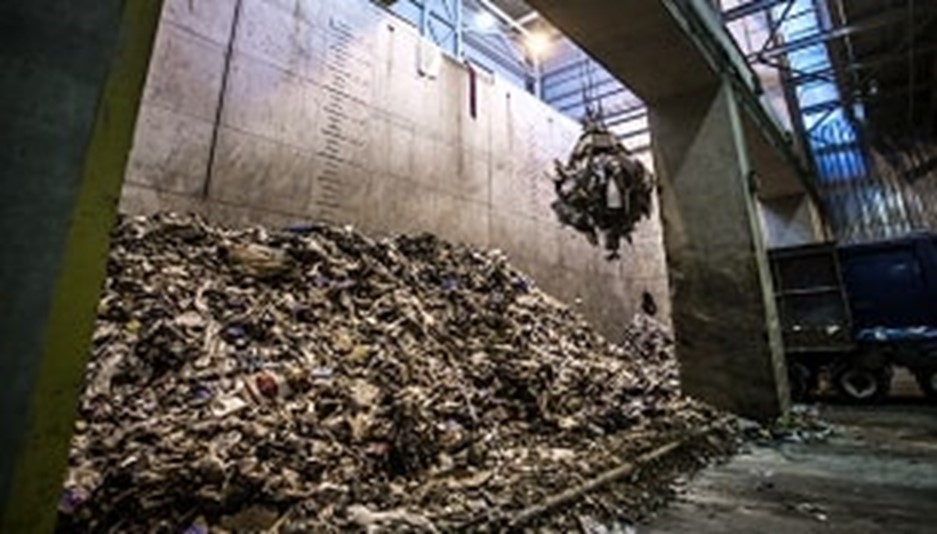
https://www.durhamyorkwaste.ca/en/index.aspx
Compared to Europe, why are there relatively few incinerators in North America?
There are 75 incinerators in North America while there are approximately 500 incineration facilities of various kinds and ages in 24 countries in Europe.
Population density, distribution and land mass means that in Canada and the U.S., land in close proximity to major sources of waste has traditionally been relatively cheap and available for landfill disposal. Land availability has also meant that capital costs of landfills have traditionally been significantly lower than more capital intensive incineration facilities.
Cheaper sources of power – hydro, coal and gas – have made electricity generated from incinerators less competitive in North America.
Lack of broad political and policy support for incineration and inconsistent and often unavailable provincial, state and federal capital construction and operational subsidies have mitigated against large investment in incineration in North America as compared to Europe.
What is the future of incineration in Europe?
Since 2020, there has been a moratorium on EU financing for incinerators with cessation of the:
- Regional Development Fund & Cohesion Fund (€392 billion)
- Just Transition Fund (€ 17.5 billion)
- Recovery and Resilience Facility (€672.5 billion)
Incineration will be more expensive in the future due to CO2 fees.
- Sweden, Denmark and Germany have incorporated WTE emissions into the EU Emissions Trading System (EU ETS).
- The European Commission is exploring ways to include municipal incinerators into the EU ETS by 2028.
Incinerated waste is largely recyclable, and mandatory recycling targets will reduce the amount of waste available for incineration.
European chemicals law, policies, and standards are aimed at reducing packaging waste and less toxic packaging may be burned with possibly less impact than in Canada and the U.S. Toxic components such as PFAS, bisphenols and other substances that are still permitted in Canada are restricted in Europe.
Environmental and Health Impacts of Incinerators
Are incinerators a source of pollution?
Yes.
Incinerators pollute in the following ways:
- Via emissions from the smokestack
- By the production of C02
- By the particulates and the ash produced from the flue and the furnace which require special treatment as a hazardous waste
What are the environmental and health impacts associated with incinerators?
Air emissions:
- Particulate matter (PM)
- Concerns about dioxins, furans, fluorinated chemicals, NOx, heavy metals
- Dioxins are highly toxic:
- Health Canada states that: “ Exposure to dioxins and furans has been associated with a wide range of adverse health effects in laboratory animals and humans”
- Can cause reproductive and developmental problems, damage the immune system, interfere with hormones and cause cancer
- Found in the environment mainly in animal fatty tissue
- Due to the highly toxic potential, efforts are needed to reduce current background exposure according to the World Health Organization
Canadian Association of Physicians for the Environment (CAPE) B.C. opposes new investment in the existing Burnaby incinerator, citing health concerns. Environment Climate Change Canada states that the largest sources of dioxins in Canada are from burning municipal waste.
Regional Municipality of Peel, Report from the Commissioner of Health Services responding to a proposal from Emerald Energy from Waste (EEFW) for a large (up to 900,000 tonnes per year) incinerator in Brampton Ontario stated:
- “Concern about the anticipated increase in air emissions associated with the proposed Emerald Energy from Waste expansion that may result in exceedances of some air pollutant limits and health benchmarks in an area where the air quality is already compromised.”
- “Additional emissions associated with the expansion results in an overall increase in cumulative exposure to air pollutants; increasing the risk of negative health effects.”
- “Health and sociodemographic data of the communities that live near the EEFW facility demonstrates the potential for worsening health disparities.”
- “Chemical mixtures increase the risk for potential negative health outcomes. This is mainly due to the existing background levels of nitrogen oxides, small particulate matter (PM2.5), and dioxins and furans.”
- “No increased risk from exposures to soil or from growing crops within the surrounding community, however study assumptions require clarification.”
EU biomonitoring research in 7 countries (FR, ES, NL, LT, BE, CZ and SK):
- Analyzed the presence of Persistent Organic Compounds (POPs) in the surrounding environment of incinerators focusing on food—i.e. eggs, fruit, vegetables, roof dust, water, and sediment.
- The research revealed high levels of dioxins, polycyclic aromatic hydrocarbons (PAHs), and per- and poly-fluoroalkyl substances (PFAS) in food and vegetation near waste incinerators.
European Environment Agency, European Zero Pollution Dashboards states: “Air pollutant emissions from incineration facilities showed mixed trends over the last decade, with a more stable trend in recent years.” “Incineration is also a less preferable option to waste management, despite the associated generation of electricity and heat.”
How effective are environmental standards, regulations and reporting requirements to monitor and control emissions from incinerators?
Durham York incinerator stack testing as per Ontario requirements:
- Covers less than 0.5% of actual operational time.
- Many contaminants are not tested for – e.g., PFAS and furans.
- Testing is done once a year under “normal” operating conditions – exceedances are more likely during upset conditions/startup/shutdowns.
- Concerns about stack testing operations/data transparency.
- Ontario MECP A-7 incineration guidelines are outdated and need revision – especially regarding human health protection.
Do incinerators completely destroy the waste they receive?
No.
All incinerators produce flue ash from the stack and bottom ash from the furnace. Approximately 30% of the waste burned in an incinerator remains as waste, which requires special disposal, often at substantial cost for transportation to certified disposal sites.
At Durham York Energy Centre 142,487 tonnes of waste was processed in 2023. 36,219 tonnes remained and required disposal.
- 25,087 of bottom ash was transported to and landfilled in New York State.
- 11,132 tonnes of “stabilized” fly ash – bound with cement – was landfilled in Thorold, ON.
Can incinerator flue ash and bottom ash from furnaces be disposed of in a municipal landfill?
No.
Flue ash and bottom ash cannot be disposed of at conventional municipal landfills such as the Trail Road facility. Due to high of degrees of hazard and toxicity, ash requires special handling, transportation and disposal at specially certified landfills.
Costs of Incineration
What do incinerators cost compared to landfills and mixed waste processing plants (MWP)?
Incinerators and MWPs cost more than landfilling.
Ottawa’s SWMP in June 2024 estimated capital costs for construction of an incinerator around $500 million and landfill capital cost at $300-$400 million.
In the case of the mass burn Durham York incinerator:
- $296 million capital cost – 140,000 tonnes / year capacity ($2,114 / tonne) upon commissioning in 2015
- If built in 2025: $384 million capital cost ($2,742 / tonne), accounting for inflation
According to the June 2025 HDR report:
- A mass burn incinerator would cost $497 million to $862 million capital with annual operating and maintenance of $47 million offset by revenues of $17.9 million, not including capital debt servicing costs.
- A new landfill would cost $439 million to $761 million capital with $15.6 million annual operating and maintenance costs.
Do incinerators pay for themselves?
No.
Capital costs are not recovered through the sale of electricity and operational costs are not covered by the sale of electricity. The HDR June 2025 report estimates operating and maintenance costs of $47 million would be offset by revenues of $17.9 million (38% of operation and maintenance costs).
Durham York incinerator revenues cover approximately 50% of the operating costs
- Operations cost $16.8 million in 2020, with $8.5 million recovered from the sale of the electricity generated.
- Some variable revenues are dependent on commodity prices from the sale of recovered metals.
Would an incinerator require a guaranteed delivery of a certain tonnage of municipal solid waste?
Yes.
A “put or pay” contract guarantees an agreed tonnage of waste delivered by the municipality for incineration, with penalties for not meeting the agreed quantity, and ensures a predictable return on investment for the facility owner.
For example, the Convertus composting contract was structured as a put or pay contract under which the City paid significant penalties for its failure to meet contracted tonnages.
Put or pay contracts are a disincentive for enhanced / new reduction and diversion strategies or technologies – any reduction in waste from new programs would result in a penalty at the incinerator.
Can the City afford to build an incinerator and how would it be paid for?
Capital costs for an incinerator are very high – the June 2025 HDR report cites a range from $497 to $862 million – significantly greater than the costs of Lansdowne 2.0 ($419 million July 2024); and up to 7 times the 2025 OC Transpo operating deficit ($120 million December 2024).
If owned by the City, capital could be provided through the SW capital account funded through escalating household solid waste rates, from issuing debentures, property taxes or by diverting capital from other City projects.
Given the current international pressures and concerns about provincial and federal government deficits, it is questionable whether grants or funds from upper levels of government would be available to offset the costs of an incinerator. The Durham York incinerator received operating subsidies and capital grants from Ontario and the federal government under programs that no longer exist.
Other competing waste management capital expenditure priorities of the City of Ottawa:
- Trail Road expansion within existing boundaries
- Anaerobic digester to replace Convertus Organic Waste Treatment facility at the end of their contract in 2030.
According to the Solid Waste Services Long Range Financial Plan 2025-2053: “The SWMP includes approximately $346 million of recommended actions, of which $275 million (80%) is to meet regulatory compliance requirements, with the remaining $71 million (20%) being service enhancements. Included in these actions are a new anaerobic digestion facility.”
An incinerator could be built under contract by a technology provider under a structure similar to the Durham York facility.
- The City would guarantee an agreed tonnage of waste delivered at an agreed tipping fee over the term of the contract.
Why is the City’s solid waste capital fund in a deficit, and when will the deficit be eliminated?
The City has not properly funded the Solid Waste capital account for many years and the SWMP reported a $25m deficit in June 2024 upon approval of the SWMP.
Solid waste is no longer supported by property taxes but by household waste rates. The planned progressive annual increase of household solid waste rates from $185 per household per year to $365 hh/yr will eliminate the capital budget deficit by 2034.
How do waste diversion programs, recycling programs and the composting or anaerobic digestion of organics compare in cost to incineration?
- capital cost $285 – $665 /tonne
- operating cost $50 – $110 / tonne
Anaerobic composting
- capital cost $480 – $1,120 / tonne
- operating cost $60 – $140 /tonne
Mass burn incineration
- capital cost (Durham York 2015) $2,114 / tonne
- operating cost (Durham York 2020) $120 / tonne before revenue
Dual stream recycling (black box / blue box)
- Net operating cost $233 / tonne net of revenue
The curbside recycling program – the black and blue box program – is no longer a City responsibility. By 2026, it will be fully funded and operated by packaging producers under the provincial Individual / Extended Producer Responsibility program at no cost to the City.
Alternatives to Incineration
What is the best way to reduce greenhouse gases associated with waste management?
Avoid landfilling or incinerating all organic waste.
Separate and collect all the organic material in the garbage and divert it into either an aerobic composting or anaerobic digestion facility. Removing organics from landfill disposal will reduce landfill methane, a greenhouse gas 20 times more impactful than CO2.
The City states that it collects over 85% of the methane gas generated at the Trail Road facility. The gas is cleaned, burned in a diesel engine and used to power an electrical generator.
Is enough effort being made to divert organics from landfill and reduce landfill gas?
No.
The City is still rolling out a program to collect organics from multi-residential properties and will not complete full coverage for another 4 years.
The new user pay program for curbside garbage collection is likely to be ineffective at increasing participation in the green bin program because the set out limit of 3 containers every 2 weeks is too high. 85% of households already put out less than 3 containers.
What are the alternatives to incineration and what actions should the City be taking?
- Enhanced waste reduction, waste diversion, recycling and organics management
- Aggressively target and divert organics
- Focus attention on recyclables / problematic materials not covered by the blue / black box program – e.g. textiles, mattresses, construction waste
- Provide and/or upgrade recycling and composting programs in parks, public spaces, and City facilities
- Put in a real user pay program
- Complete Trail Road facility expansion – view it as an irreplaceable / high value asset
- Monitor and report more often on waste diversion program performance
- Aim for major re-assessment of SWMP and residuals management around 2034
- Significantly increase promotion and education spending to a level comparable to other large Ontario municipalities – at a minimum double the per household expenditure
How effective is the current 3-item garbage collection limit for driving recyclables and organics out of the waste stream?
Audits by the City show that almost 50% of what is collected as garbage in Ottawa should either be in the recycling program or collected as organics by the green bin program.
The program was initiated in September 2024 with an official report on the impact of the program planned at the anniversary in the fall of 2025. Over 85% of residents put out 3 items or fewer bi-weekly, which suggests the impact will be minor. Preliminary indications are that residents are putting out less garbage for collection.
City staff recommended a limit of 2 bags bi-weekly, arguing that the impact would be greater given that 75% of residents put out 2 containers or less.
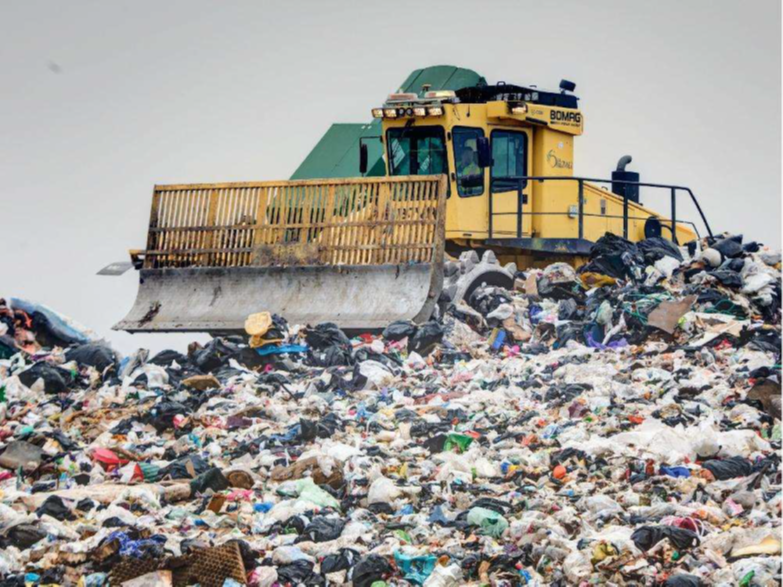
“What Happens to My Garbage” https://www.youtube.com/watch?v=mEjo7jYOQFo
Incineration and the Solid Waste Master Plan (SWMP)
Does incineration advance the Solid Waste Master Plan (SWMP)’s commitment to an aspirational goal of zero waste, and the waste management hierarchy?
No.
The Zero Waste International Alliance defines zero waste as: “The conservation of all resources by means of responsible production, consumption, reuse, and recovery of products, packaging, and materials without burning and with no discharges to land, water, or air that threaten the environment or human health. Zero Waste saves resources and habitat, provides jobs and reduces toxic chemicals and pollution including greenhouse gases”
In June 2021 as part of the Solid Waste Master Plan, City Council adopted a Zero Waste vision for the city to be achieved through progressive, collective and innovative action and supported by the following principles:
- Honouring the 5Rs waste management hierarchy – reduce, reuse, recycle, recovery, residuals
- Changing community values
- Protecting the environment for future generations
- Leading by example
- Adopting circular economy principles
- Embracing innovation
- Keeping waste local
- Utilizing the triple bottom line (profit, people, and planet) – a business concept that posits that firms should commit to measuring their social and environmental impact rather than just the standard financial “bottom line.”
Is enough investment and effort being put into reducing and diverting waste from disposal?
No.
The City is not making enough effort to take organics out of the garbage and divert them into either a composting or an anaerobic digestion plant. For example, the rollout of green bin collection in multi-residential properties started over 2 years ago and will not be completed until 2028.
There is little or no funding available in the short and medium term to address recyclables and problematic materials not covered by the blue/black box program – e.g. textiles, mattresses, construction waste.
The City has consistently under-funded promotion and education. Ottawa has regularly spent only 25-50% of what comparable municipalities have spent per household per year.
Could a 30+ year extension of Trail Road landfill capacity disincentivize enhanced waste reduction and diversion policies and programs?
With the significant extension to Trail Road’s life expectancy and capacity it is possible that attention to waste management, waste reduction and recycling programs could weaken in the short and medium term given the long time horizon.
Recent SWMP actions such as banning commercial and industrial waste are estimated to add 6 years to Trail’s life expectancy to 2040 – 2041.
Expanding Trail Road within the existing boundaries with a new lift on the existing site could extend the life a further 15 years until 2055 – 2056. The Environmental Assessment process is well underway and a submission to the Provincial Ministry of Environment, Conservation, and Parks for approval will be made in Q4 2025.
Regardless of the timeline for Trail Road closure and any decision on a new residuals management strategy, aggressive efforts must be made to reduce the amount of waste requiring disposal while maintaining the Trail Road facility for as long as possible as a valuable piece of municipal infrastructure.
How urgent is it at present, or before 2034, to make a major capital investment in an incinerator, a mixed waste processing plant (MWP) or a new landfill?
A decision on residuals management can be delayed for several years and maybe until the early 2030s because the projected life expectancy of the Trail Road facility, through actions of the SWMP, and the planned expansion within existing boundaries, could extend the life of the site to 2055-2056.
 Waste Watch Ottawa
You must be logged in to post a comment.